
Top Waterproofing Products To Protect Your Home Effectively
Discover the leading waterproofing solutions designed to prevent leaks, enhance durability, and ensure long-lasting protection.
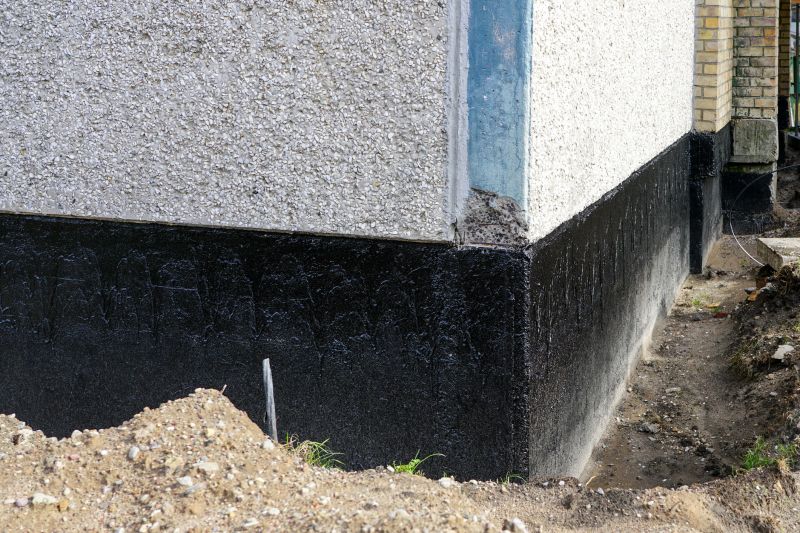 Waterproofing products are essential for protecting structures from moisture intrusion, preventing damage caused by water seepage, and maintaining the integrity of buildings and surfaces. In Michigan City, Indiana, where humidity levels and seasonal weather variations can challenge building durability, selecting the right waterproofing solutions is particularly important. These products serve a variety of applications, including basements, roofs, foundations, and exterior walls, offering different formulations to suit specific needs.
Top Overall Option
All-Purpose Waterproofing Membrane
An all-purpose waterproofing membrane offers versatile protection suitable for a wide range of surfaces including foundations, roofs, and walls. It typically features a flexible, durable layer that resists cracking and provides a reliable barrier against water penetration. Easy to apply in various environments, this type of membrane can be used in both interior and exterior projects, making it a practical choice for many waterproofing needs.
Types of Products For Waterproofings
Liquid Waterproofing Coatings
These coatings are applied with brushes or rollers to create a seamless, waterproof layer over surfaces such as roofs and decks.
Bituminous Membranes
Commonly used for roofing and foundation waterproofing, these membranes are made from asphalt and offer excellent water resistance.
Polyurethane Sealants
Flexible sealants ideal for sealing joints, cracks, and gaps in various building components.
Hydrophobic Paints
Specialized paints that repel water and are suitable for exterior walls and surfaces exposed to the elements.
Cementitious Waterproof Coatings
These cement-based products are often used on basement walls and underground structures for long-lasting protection.
Rubberized Asphalt Coatings
Designed for roofing and below-grade applications, offering excellent adhesion and flexibility.
Waterproofing Membranes
Sheet or roll-based membranes that provide a continuous waterproof barrier in construction projects.
Crack Injection Systems
Specialized products used to fill and seal cracks in concrete and masonry to prevent water intrusion.
Waterproofing Tapes
Self-adhesive tapes used for quick sealing of joints, seams, and minor cracks.
Spray-On Waterproofing
Applied via spray equipment, these products provide uniform coverage over large surfaces like roofs and decks.
Foam Sealants
Expanding foam used to fill gaps and joints to prevent water ingress.
Waterproofing Cement Boards
Specialized boards used in wet areas such as bathrooms and kitchens to resist water damage.
Drainage Mats and Boards
Installed behind walls or under slabs to facilitate water drainage and reduce hydrostatic pressure.
Waterproofing Additives
Mixed with concrete or mortar to enhance their water resistance properties.
Vapor Barriers
Thin sheets installed in walls or floors to prevent moisture migration and condensation.
Popular Choices
Flexible, easy-to-apply coatings suitable for roofs, basements, and decks.
Durable membranes often used in roofing and foundation waterproofing projects.
Versatile sealants commonly used for joints, cracks, and gaps in various surfaces.
Water-repelling paints ideal for exterior walls exposed to weather.
Popular for basement and underground applications due to their durability.
Convenient for large surface areas like roofs and concrete decks.
Quick fixes for cracks and seams in various surfaces.
Used to improve water drainage behind foundation walls.
Common in wet areas like bathrooms and kitchens.
Effective for sealing gaps and preventing water entry.
Installed in walls and floors to control moisture migration.
Resistant to water and ideal for roofing and below-grade applications.
Used for sealing cracks in concrete foundations and walls.
Applied to exterior surfaces for added water resistance.
Flexible coatings suitable for roofs and underground structures.
Choosing appropriate waterproofing materials requires understanding the environment and the type of surface to be protected. For instance, basement waterproofing often involves sealants and membranes that can withstand hydrostatic pressure, while roofing applications might utilize coatings or membranes designed for UV resistance and flexibility. It is also vital to consider the longevity, ease of application, and compatibility with existing materials to ensure effective and lasting results.
Many waterproofing products are designed for DIY projects, featuring user-friendly application methods, while others may require professional installation for optimal performance. Proper surface preparation, such as cleaning and drying, is crucial regardless of the product chosen. Regular maintenance and inspection can also extend the lifespan of waterproofing systems, helping to identify and address issues early.
In Michigan City, selecting the right waterproofing solutions can significantly contribute to the durability and safety of buildings. Whether for new construction or renovation projects, understanding the various product options and their specific applications can help homeowners and contractors make informed decisions, ultimately protecting properties from water-related damage and preserving their structural integrity over time.
Key Buying Considerations
- Identify the specific surface or structure to be waterproofed, such as roof, foundation, or wall.
- Determine whether the application is interior or exterior, which influences product choice.
- Consider the environmental conditions, including exposure to UV, temperature fluctuations, and moisture levels.
- Evaluate the product's compatibility with existing materials and surfaces.
- Check the ease of application, especially if planning a DIY project, or whether professional installation is recommended.
- Assess the expected lifespan and durability of the waterproofing solution.
- Review the product's resistance to cracking, UV damage, and chemical exposure.
- Consider the flexibility of the product to accommodate structural movements or temperature changes.
- Look into the drying or curing time to plan application schedules accordingly.
- Ensure the product is suitable for the specific type of water exposure, such as hydrostatic pressure or surface water.
- Verify if the product requires primer or additional preparation steps for optimal adhesion.
- Examine the maintenance requirements and ease of reapplication if needed.
- Determine the waterproofing system's compatibility with insulation or other building components.
- Review safety instructions and ventilation requirements during application.
- Compare costs relative to coverage area and expected performance to find a balanced option.